Call Us
Mail Us
Address
Kharibot Road, New Baneshwor Ward No. 31, Kathmandu, Nepal
Kharibot Road, New Baneshwor Ward No. 31, Kathmandu, Nepal
 Projects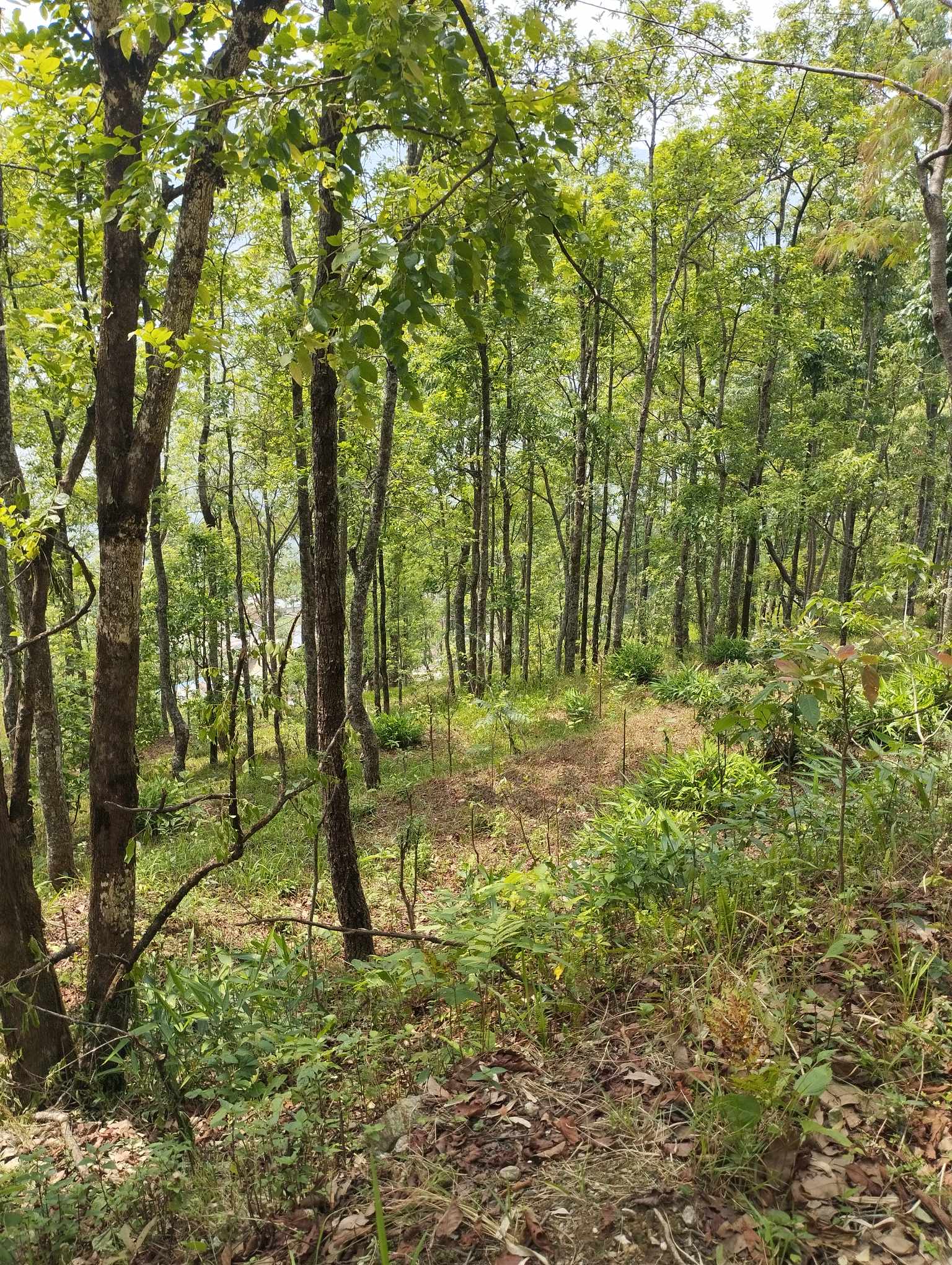
Project Context
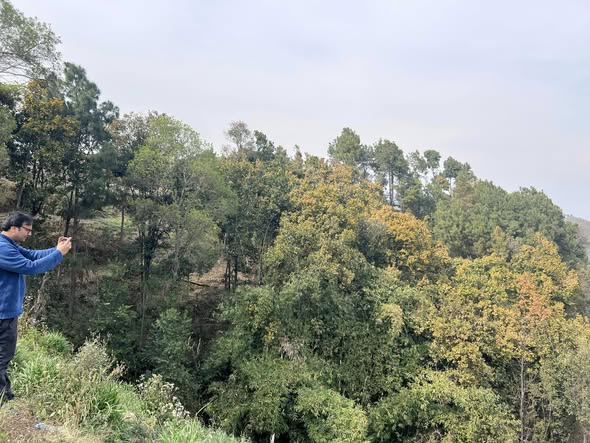
The effects of climate change are already highly visible and are impacting various aspects of forest and farm production systems. Farming households face significant risks due to climate change. Sindhupalchowk district is particularly vulnerable, frequently experiencing floods and landslides. FFF intervention areas such as Kavre and Dang have also witnessed climate-related impacts on agriculture, including erratic rainfall, rising temperatures, prolonged droughts, and increasing incidences of diseases and pests in crops and livestock. Additionally, water sources are drying up, further stressing agricultural productivity.
The decline in productivity has discouraged farming communities, leading to the abandonment of agricultural land. This has, in turn, encouraged wildlife, such as monkeys, to encroach upon farmland. These challenges highlight the urgent need to identify and promote resilient, diversified agricultural livelihoods. Agroforestry offers a viable solution, providing multiple goods and services that meet the needs of local communities. Farming enterprises based on agroforestry systems are already being developed. To strengthen these initiatives, capacity-building and empowerment programs are essential, especially to engage marginalized communities in agroforestry production and enterprises.
Objectives of the project
Project Achievements
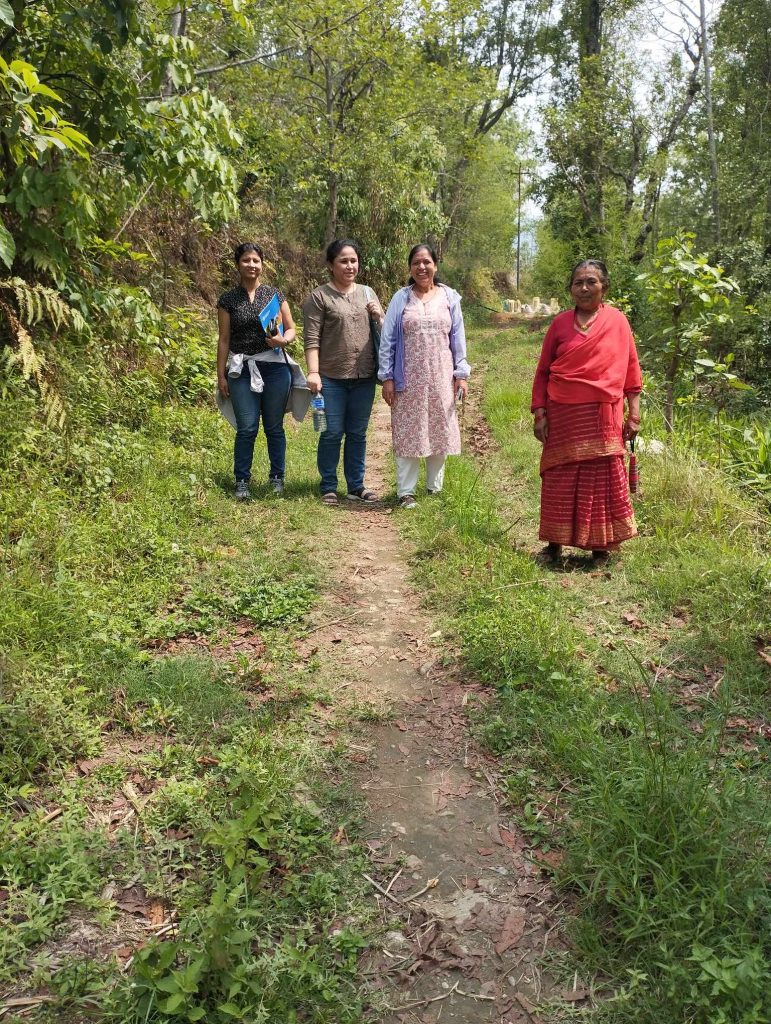
AFFON since its inception in 2015, has been working to secure the rights of the family forest farmers and their economic transformation through the sustainable management of the forest they own. Under the FFF programme, AFFON worked to enhance the livelihoods of family forest farmers in Tripurasundari Rural Municipality, Sindhupalchowk, while also strengthening cross-sectoral policy processes among diverse stakeholders in the districts of Dang, Kavre, and Sindhupalchowk. In addition, the programme supported the establishment of agroforestry models that contribute to landscape restoration in the respective districts.
After FFF intervention, the cross-sectoral policy processes has increased slightly and new farmers policy has been seen. AFFON has facilitated to formulate local forest la in Dhulikhel municipality (more focused on family forest). Tulsipur submetropolitan also amended their policy regarding family forest owners. Dhulikhel municipality committed to provide 50% grant (both financial and technical support) to family forest owners groups to promote agroforestry products in their upcoming local level action plan. Tulsipur sub-municipality, Dang and Tripurasundari, Sindhupalchwok commited to provide technical and financial support.
At national level, a draft on National Environmental Policy (2019) has been submitted to include Family forest in volunteer carbon market (carbon finance) and in regulated carbon market facilitated through government focal unit-REDD implementation center, and through continuous lobbying, the private forest sector is now included in steering committee of REDD implementation centre.
Third general assembly of AFFON has been successful in generating a huge impact which contributed in removing ban on harvesting sal trees in private forest government. At the national workshop, there was active participation of women (45%) in the national assembly.
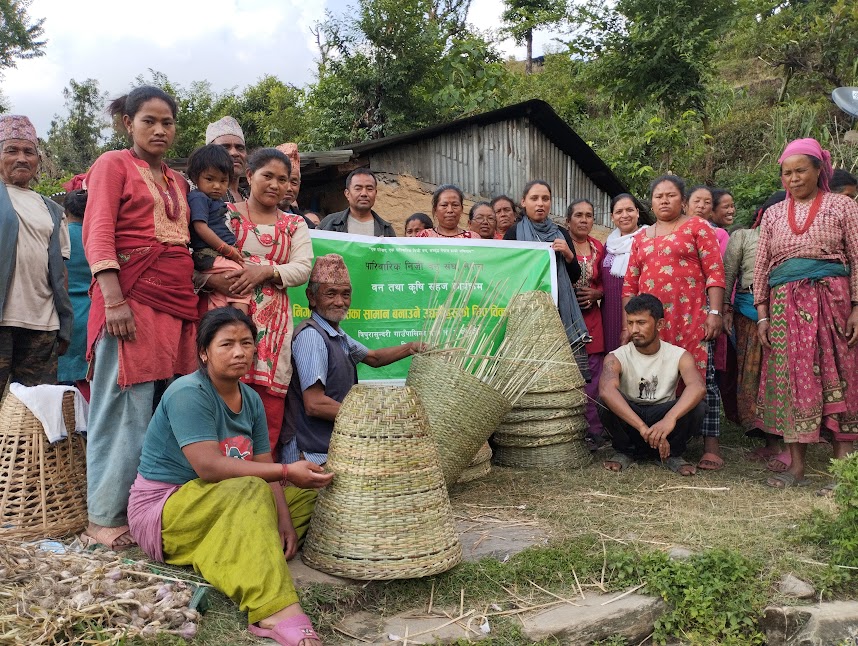
Registration of Setidevi Women Enterprise Farmers Group, Dhuskun (Sindhupalchwok) that produce lapsi pulp, candy, powder and lapsi seeds has been conducted in Tripurasundari rural municipality and others are in the registration process. Almost all the enterprises in Tripurasundari, Sindhupalchwok are women led and many Forest and Farm Producer Organizations (FFPOs) are able to develop value addition, such as developing thunse, identify and access marketing channel, sisnoo (stinging nettle plant)-processed powder, lapsi processing, packaging , branding and marketing to promote local and national level products and also had develop business plan.
21.5 hectares (ha) of forest and farm land managed by FFPOs that are supported by FFF have contributed to sustainable forest and farm management to improve climate change mitigation and adaptation in project area.