
Call Us
Mail Us
Address
Kharibot Road, New Baneshwor Ward No. 31, Kathmandu, Nepal
Kharibot Road, New Baneshwor Ward No. 31, Kathmandu, Nepal
 News Room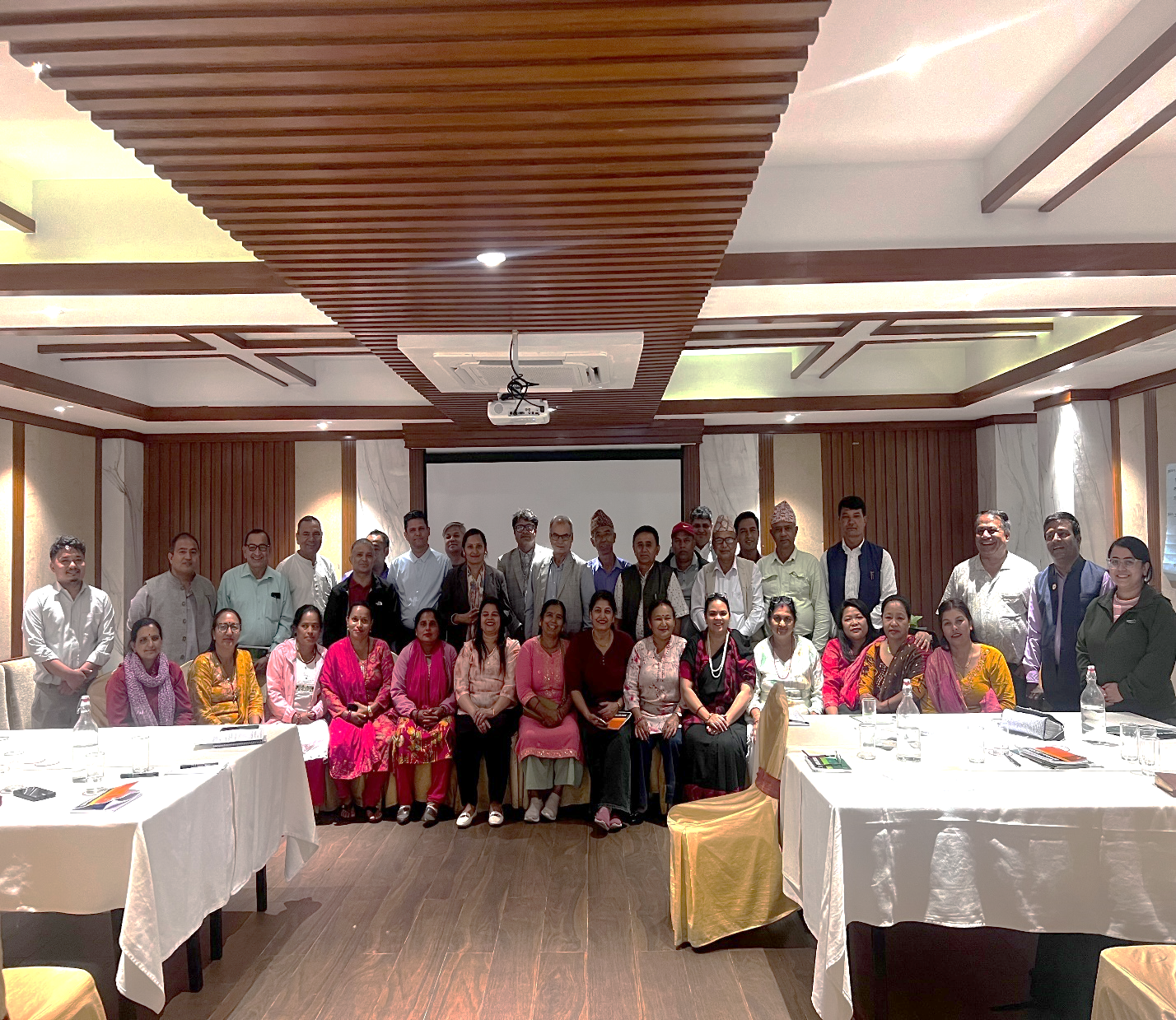
Members from the Association of Family Forest Owners’ Nepal (AFFON) representing district chapters, provincial chapters, and the central committee actively participated in the validation workshop of the National Biodiversity Strategy and Action Plan (NBSAP) 2026-2030 held on 28 May 2026. The workshop was organized by the United Nations Development Program (UNDP) in partnership with the Government of Nepal and brought together family forest farmers from different districts of Gandaki Province to discuss Nepal’s biodiversity priorities and future strategies.
The session was facilitated by Mr. Bijendra Basnyat from UNDP Nepal. To initiate the discussion, he asked participants to reflect on the status of fireflies in rural Nepal compared to their abundance three to four decades ago. This simple yet thought provoking question highlighted the visible decline in biodiversity and set the stage for discussions on conservation and sustainable development.
Mr. Basnyat then provided an overview of Nepal’s commitments under various international environmental conventions, particularly the Convention on Biological Diversity (CBD). He explained that, as a signatory to the CBD,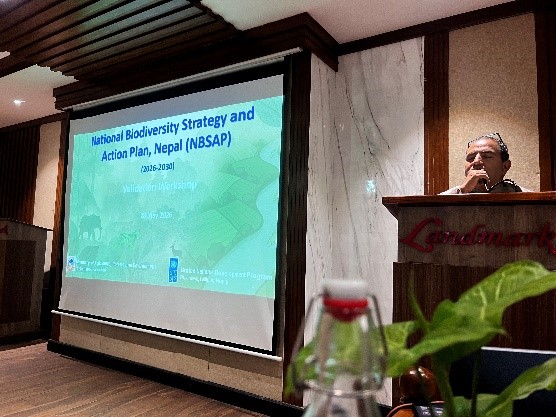 Nepal is required to prepare and implement national plans and strategies to conserve biodiversity and promote its sustainable use. The National Biodiversity Strategy and Action Plan (NBSAP) serves as one of the country’s key policy instruments in meeting these commitments. He shared the evolution of Nepal’s biodiversity planning process, noting that the first NBSAP was prepared in 2002 with six thematic areas, followed by the 2014 version with 77 thematic areas. The newly developed NBSAP 2026-2030 incorporates seven strategic goals and 36 national targets aimed at addressing emerging conservation challenges while aligning with global biodiversity frameworks.
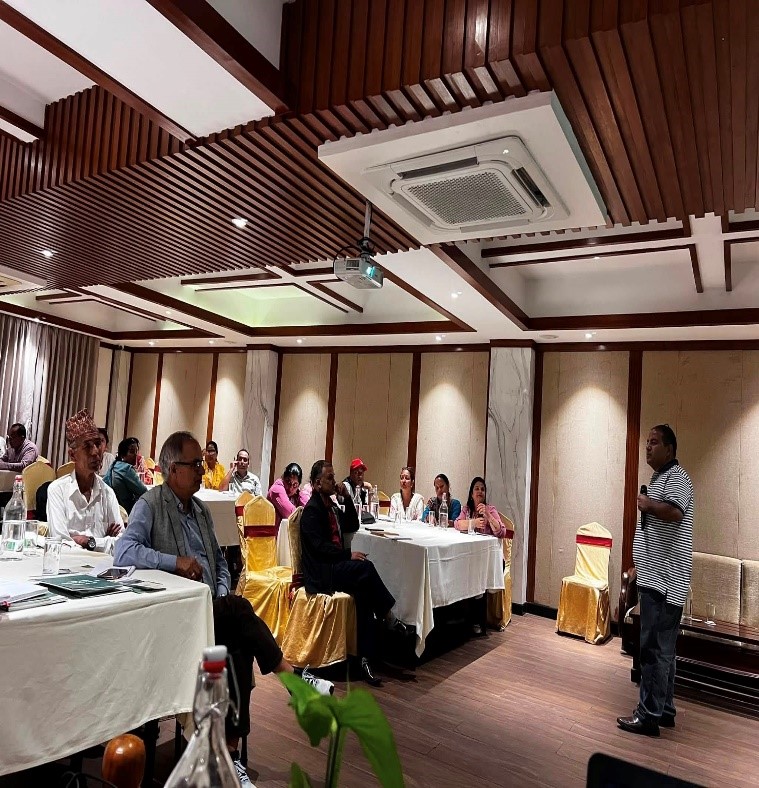 During his presentation, Mr. Basnyat emphasized that biodiversity is fundamental to human existence and well-being. He highlighted issues of equitable benefit sharing and explained the NBSAP’s result-based planning approach, which seeks to build complementarities and synergies across sectors. He also discussed major conservation challenges facing Nepal, including fragmented agricultural landholdings that increase production costs and complicate irrigation management. Referring to the Terai region, he noted growing concerns regarding changing river systems and the increasing vulnerability of agricultural lands to flooding and other climate-related risks.
The presentation also explored lessons learned from previous biodiversity strategies. Key lessons included the effectiveness of thematic approaches to conservation, the need for transformative pathways to address biodiversity loss, and the importance of integrating human well-being into conservation planning. Mr. Basnyat introduced the NBSAP’s Theory of Change, which envisions a collective pathway toward biodiversity conservation and improved human well-being. He further outlined the strategy’s guiding principles and action areas, which focus on conservation, sustainable use, equitable benefit sharing, capacity development, investment and policy support. The strategy is guided by seven pathways, including ecosystem and landscape approaches and the commitment to “leave no one behind”.
A key point of discussion was the Government of Nepal’s plan to expand agroforestry practices across 5,000 hectares. Mr. Basnyat encouraged participants to critically reflect on how smallholder family forest farmers could contribute to this ambitious target. Participants responded by emphasizing that agroforestry offers a unique opportunity to simultaneously enhance biodiversity conservation and improve rural livelihoods. They noted that diverse and multi-purpose agroforestry systems can strengthen household economies, restore ecosystems, and create opportunities for nature-based tourism. Participants further stressed that agroforestry interventions should be designed based on the actual needs and priorities of farmers rather than being externally imposed.
The discussion then shifted toward the role of family forests in biodiversity conservation and sustainable development. Participants highlighted that family forests contribute significantly to biodiversity conservation through the protection and sustainable management of trees and native species on privately owned lands. They emphasized that family forests help conserve wildlife habitats, protect flora and fauna, maintain environmental balance, and conserve soil and water resources. Native species such as Katus (Castanopsis indica), Kafal (Myrica esculenta), Chiuri (Diploknema butyracea), Ritha (Sapindus mukorossi), Panyu (Prunus cerasoides) and Chilaune (Schima wallichi) were cited as important components of local biodiversity that are being conserved and promoted through family forestry practices. Participants also noted that tree planting and sustainable land management contribute to climate change mitigation and ecosystem restoration.
Beyond environmental benefits, participants shared examples of how family forests support local economies. Income generated from the sale of timber, fuelwood, and other forest products has helped improve household livelihoods and 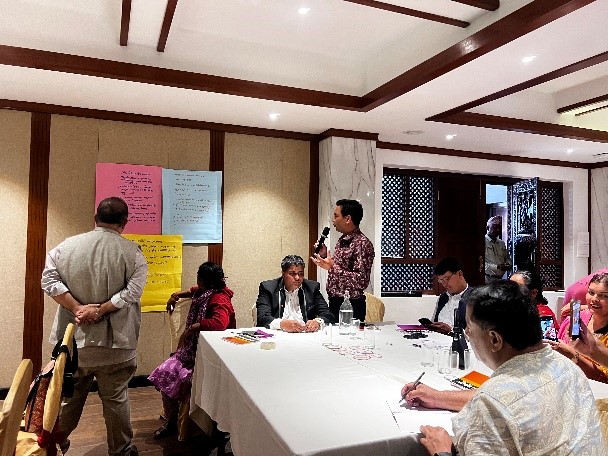 create employment opportunities. Participants discussed successful agroforestry-based enterprises involving Chiuri (Diploknema butyracea) products, Lapsi (Choerospondias axillaris) processing, beekeeping, goat farming, medicinal and aromatic plant cultivation, compost production, and fruit processing. These enterprises have contributed to increased household income, strengthened entrepreneurship, and enhanced the resilience of rural communities.
The roundtable discussion also highlighted the role of AFFON and family forest groups in promoting good governance. Participants acknowledged that the association has played an important role in expanding membership, strengthening local organizations, facilitating collaboration among family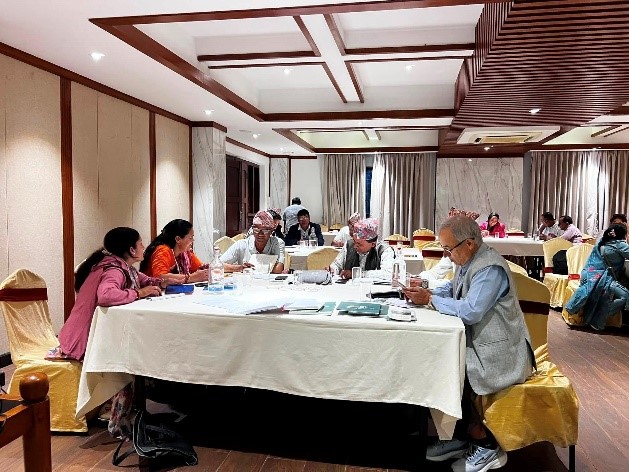 forest farmers, and promoting the exchange of knowledge and experiences. Family forests were also recognized as important contributors to policy development and implementation at local, provincial and federal levels. However, participants pointed out that many local governments still have limited understanding of family forestry, while forest farmers often lack sufficient knowledge and platforms to effectively advocate for their rights and interests. They stressed the need for stronger coordination and collaboration between family forest organizations and local governments.
Looking ahead, participants identified severa l priority areas requiring support. These included assistance with forest registration and documentation, soil testing services, access to quality seedlings and multipurpose plant species, technical and skill-based training, financial management support, market development, processing technologies, and  research and promotion activities. Participants also called for stronger political commitment from all three levels of government, improved market monitoring systems for timber and non-timber forest products, and the establishment of local cold storage facilities. Additional recommendations included promoting community seed banks, conserving indigenous seed varieties, adopting organic and three-zone farming systems, establishing local nurseries, strengthening composting initiatives, and implementing effective fire management programs.
Participants further emphasized the need to focus on forest development, natural disaster control, water source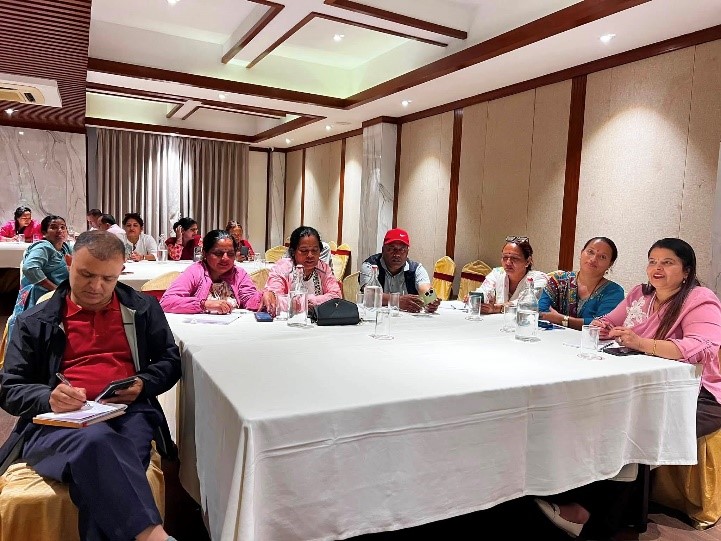 conservation, rehabilitation of degraded lands, sustainable investment in forestry, policy advocacy, research and data management, and the establishment of mechanisms to access international carbon finance. They concluded that clear recognition of family forests within national forestry policies and legislation, combined with stronger institutional support and coordination, would significantly enhance their contribution to biodiversity conservation, climate resilience, and sustainable rural development.
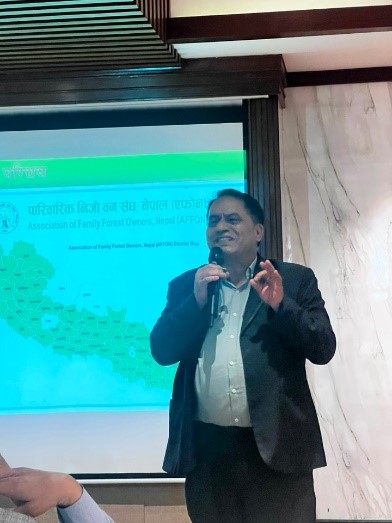 In his remarks, the Chairperson of AFFON highlighted the important role played by smallholder family forest farmers in conserving biodiversity and managing natural resources. He raised concerns about existing policy and regulatory barriers that continue to limit the growth and recognition of family forestry in Nepal. He also thanked all the small landholder family forest farmers for conserving the forest on their private land despite the difficulties they had to face while conserving it. He urged the Government of Nepal to have fair look to the family forestry like other forestry of Nepal.
Representing the Government of Nepal, Mr. Gyanendra Kayastha expressed appreciation to family forest farmers for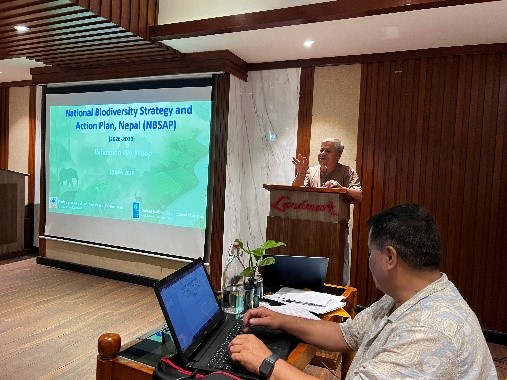 their contribution to biodiversity conservation on private lands. He also encouraged AFFON to develop a Nepali language version of its website to make information more accessible to a wider audience.
Speaking on behalf of all the participants, Ms. Santu Subedi (Chairperson, Gandaki Province-AFFON) thanked the 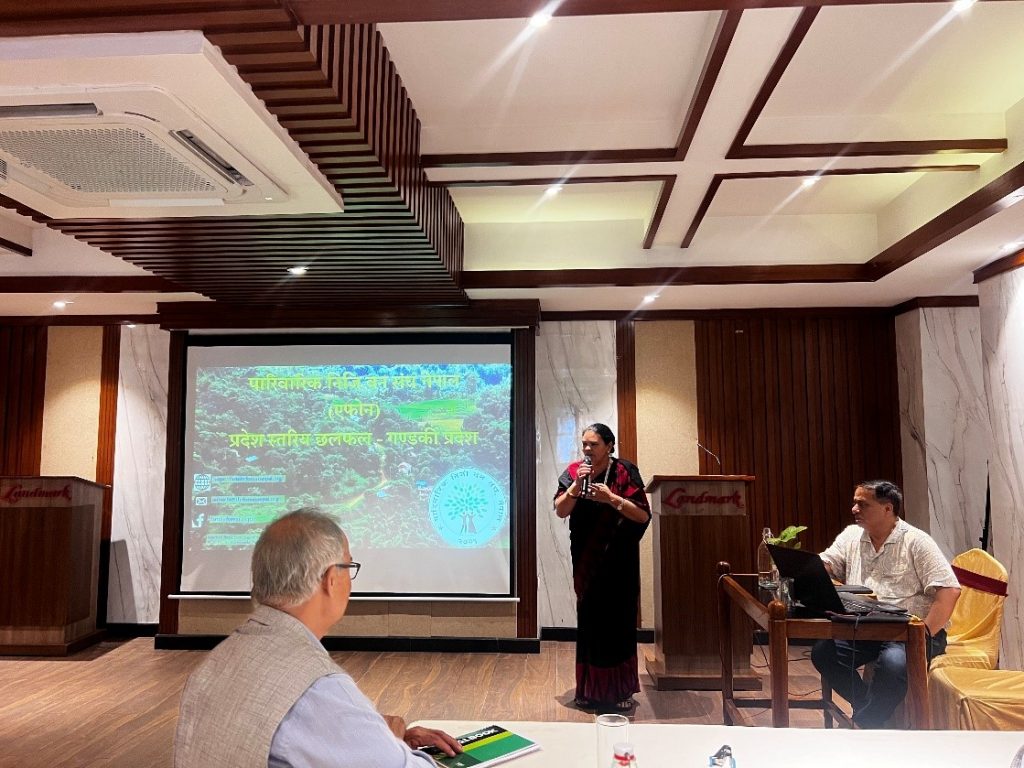 organizers and AFFON for creating a valuable platform for learning and experience sharing. She reflected on the opportunities and challenges faced by family forest farmers at the local level and emphasized the importance of family forests for both livelihoods and biodiversity conservation. She expressed her appreciation for the opportunity to learn about the NBSAP 2026-2030 and voiced her hope that the strategy would effectively recognize and promote the contribution of family forests in achieving Nepal’s biodiversity goals.
The workshop concluded with a shared understanding that family forests and agroforestry systems have a critical role to play in achieving Nepal’s biodiversity conservation targets. Strengthening the voice of family forest farmers and integrating their experiences into national planning processes will be essential for building a more sustainable, resilient and biodiversity-rich future for Nepal.