Call Us
Mail Us
Address
Kharibot Road, New Baneshwor Ward No. 31, Kathmandu, Nepal
Kharibot Road, New Baneshwor Ward No. 31, Kathmandu, Nepal
 Our Stories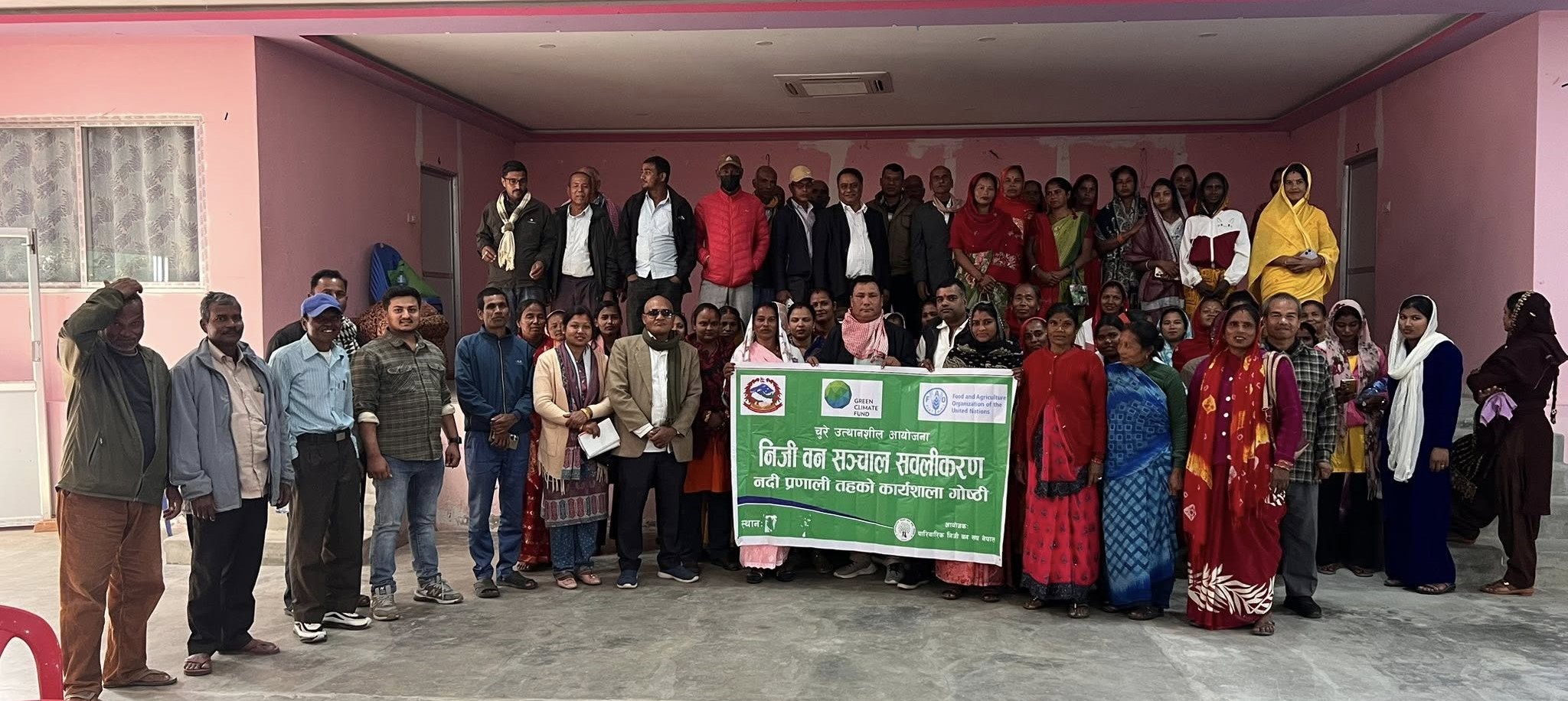
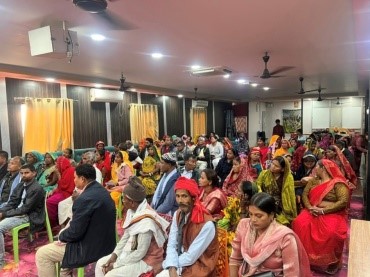
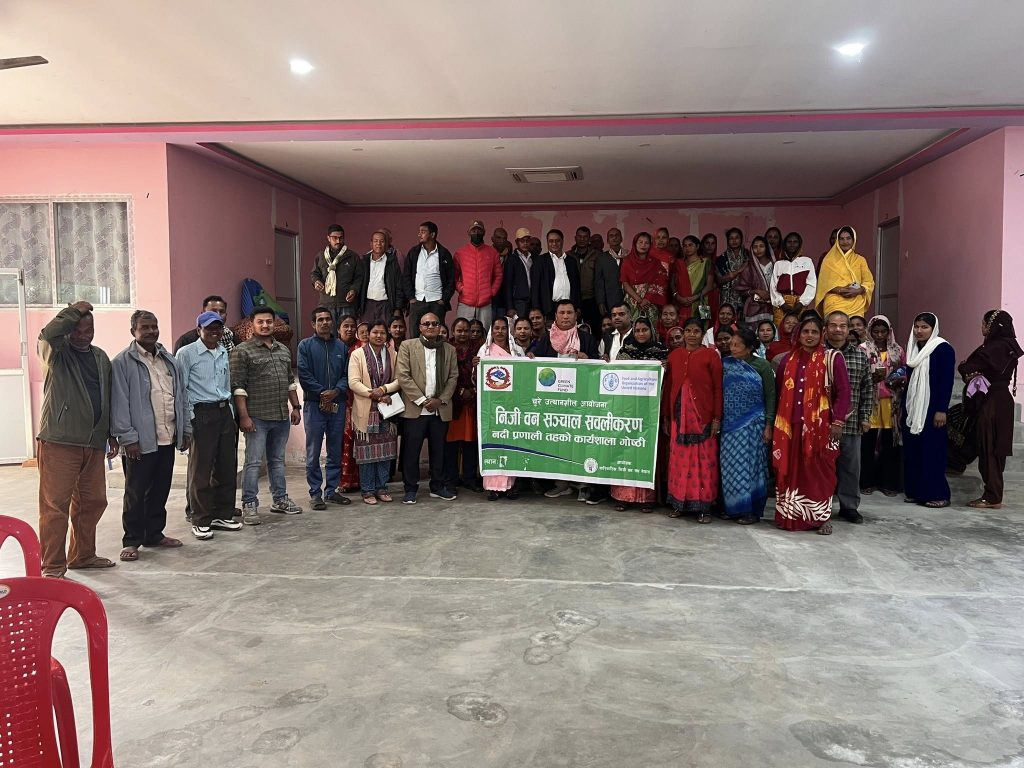
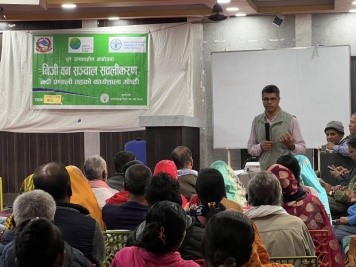
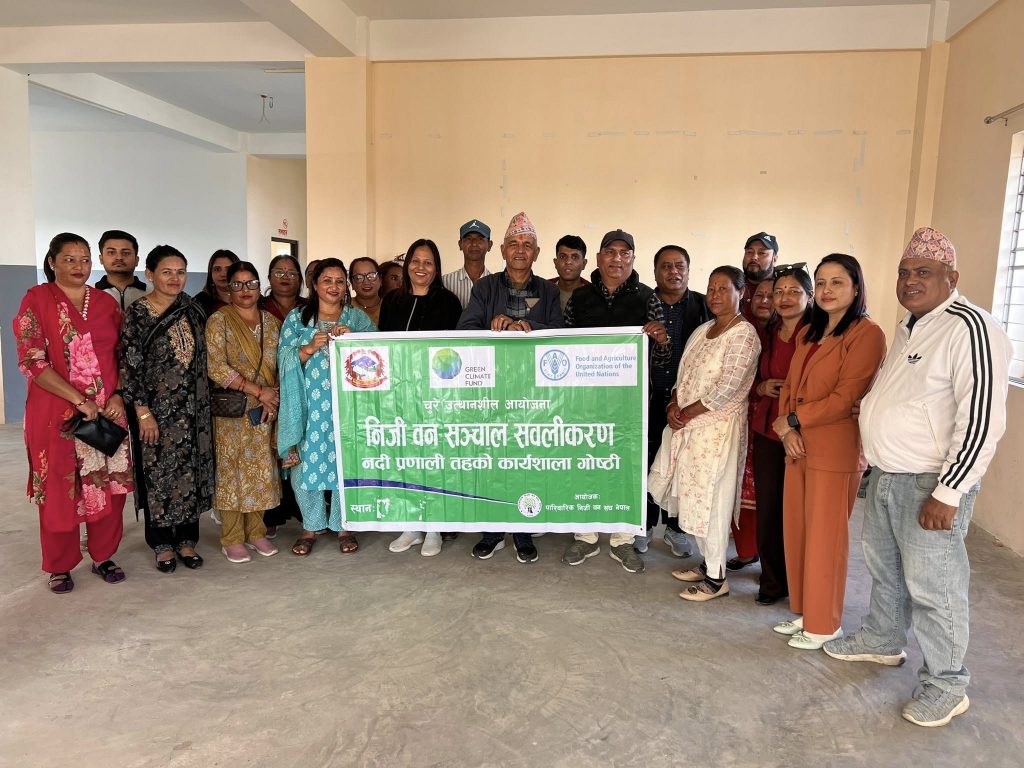 Association of Family Forest Owners, Nepal (AFFON) successfully organized 21 River System-Level Meetings (01/7/2025 – 7/12/2025) for Private Forest (PF) networks across Koshi, Madhesh, and Bagmati Provinces, creating an important platform for dialogue, coordination, and collective action. These meetings represented altogether 1324 active and diverse participation from river system committee, private forest group representatives, local elected officials, and other relevant stakeholders. The strong engagement highlighted growing interest and commitment toward strengthening private forestry across the region.
Key discussions focused on private forest registration processes, the existing enabling policy environment, and the challenges and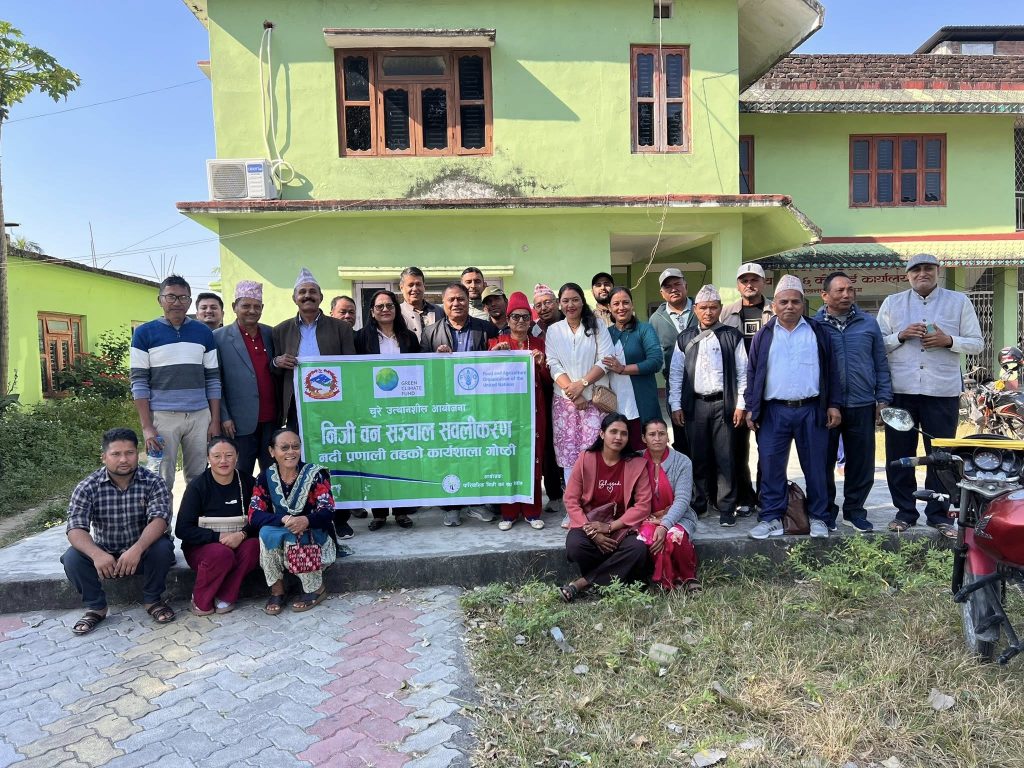 opportunities in promoting private forestry particularly for women. Participants explored practical strategies to overcome barriers faced by women and emphasized the importance of inclusive approaches in expanding private forestry initiatives. The role of PF networks, local governments, and Provincial Project Management Units (PPMUs) was another major area of discussion. Stakeholders shared insights on how these institutions can better support plantation activities, provide technical assistance, and ensure effective delivery of BRCRN support schemes for private forestry promotion.
Participants also emphasized the need to institutionalize PF groups and networks, including registering them within municipalities to strengthen their legal recognition, sustainability, and access to government services. Overall, the river system-level meetings played a crucial role in enhancing coordin ation among stakeholders, clarifying roles and responsibilities, and strengthening collective efforts to promote private forestry as a key component of resilient landscapes under the BRCRN project.