Call Us
Mail Us
Address
Kharibot Road, New Baneshwor Ward No. 31, Kathmandu, Nepal
Kharibot Road, New Baneshwor Ward No. 31, Kathmandu, Nepal
 Our Stories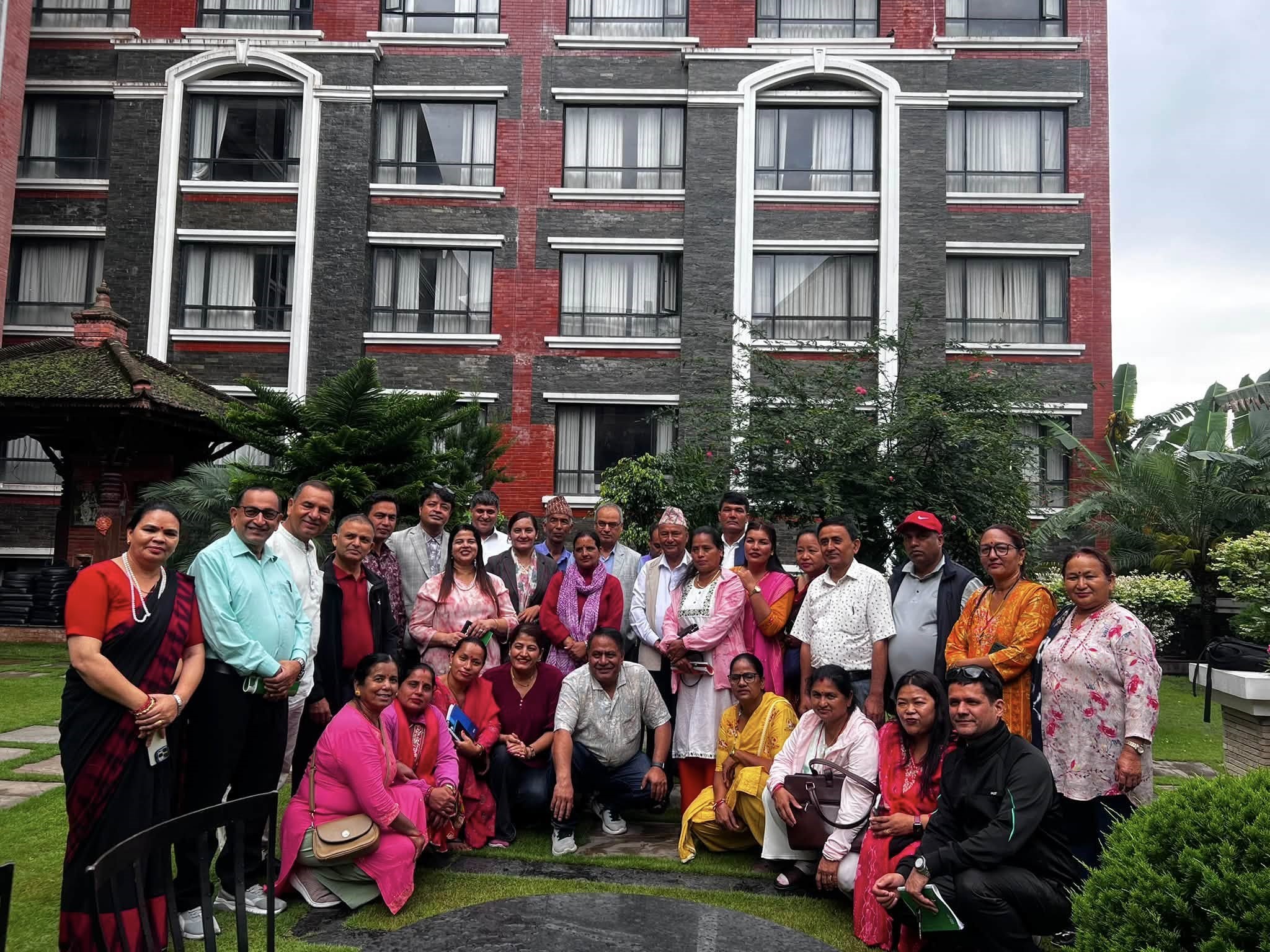
Forests have long been at the heart of rural livelihoods in Nepal, providing timber, fuelwood, fodder, ecosystem services, and a source of income for thousands of households. Yet, for many smallholder family forest farmers, transforming these valuable resources into sustainable economic opportunities remains a significant challenge. Issues ranging from restrictive policies and market barriers to inequitable benefit-sharing mechanisms continue to hinder the growth of family forestry despite its immense potential.
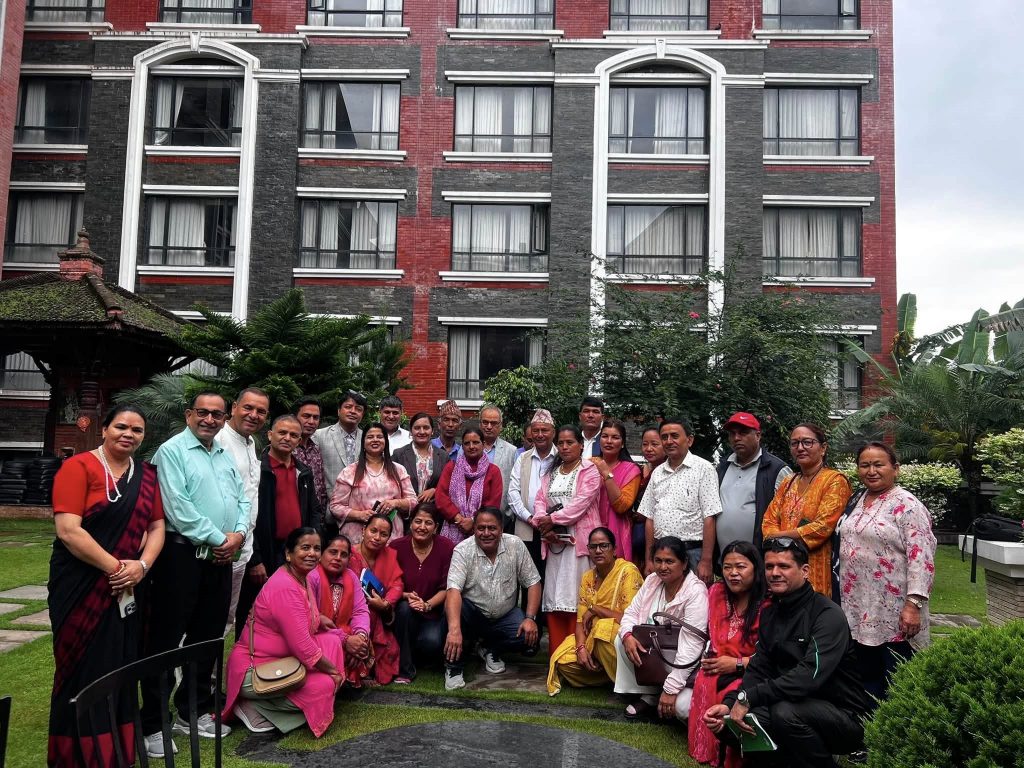
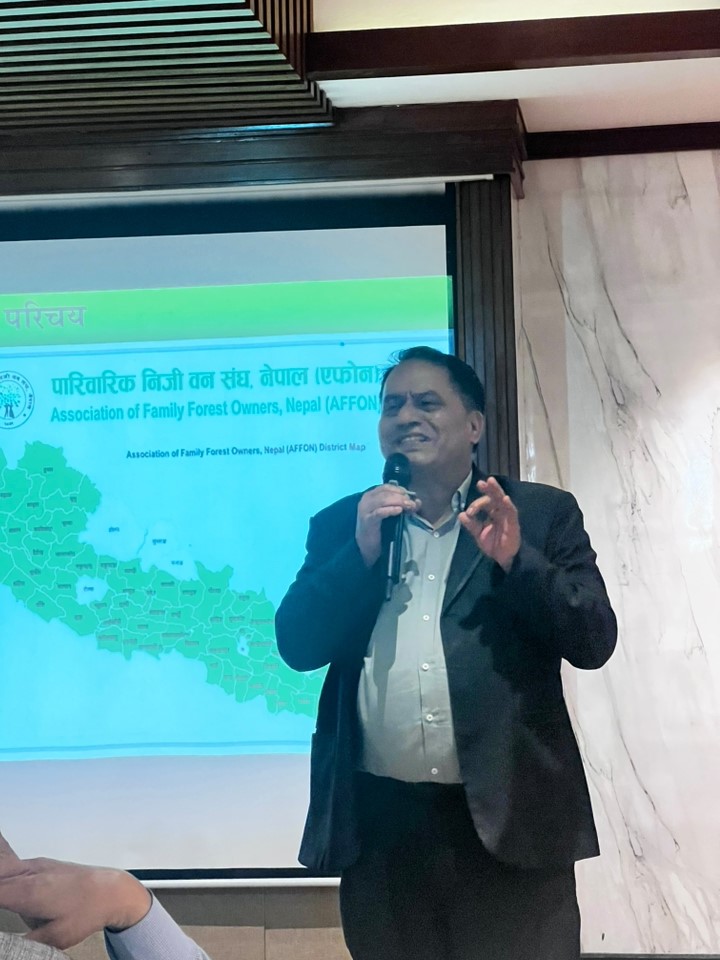
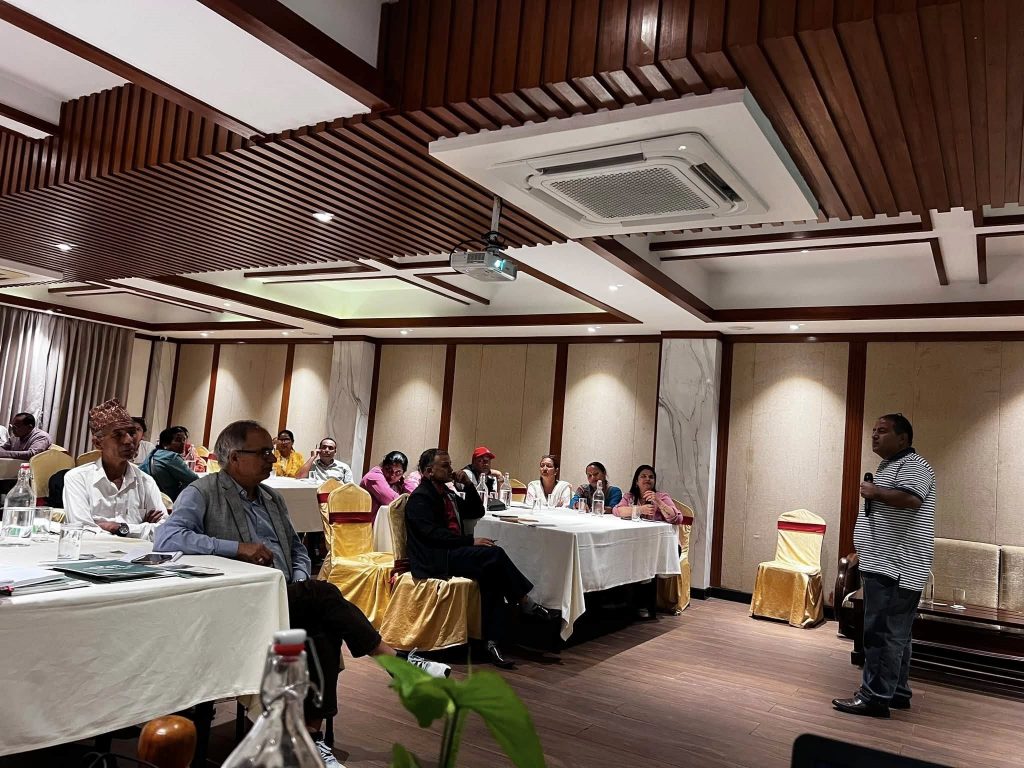
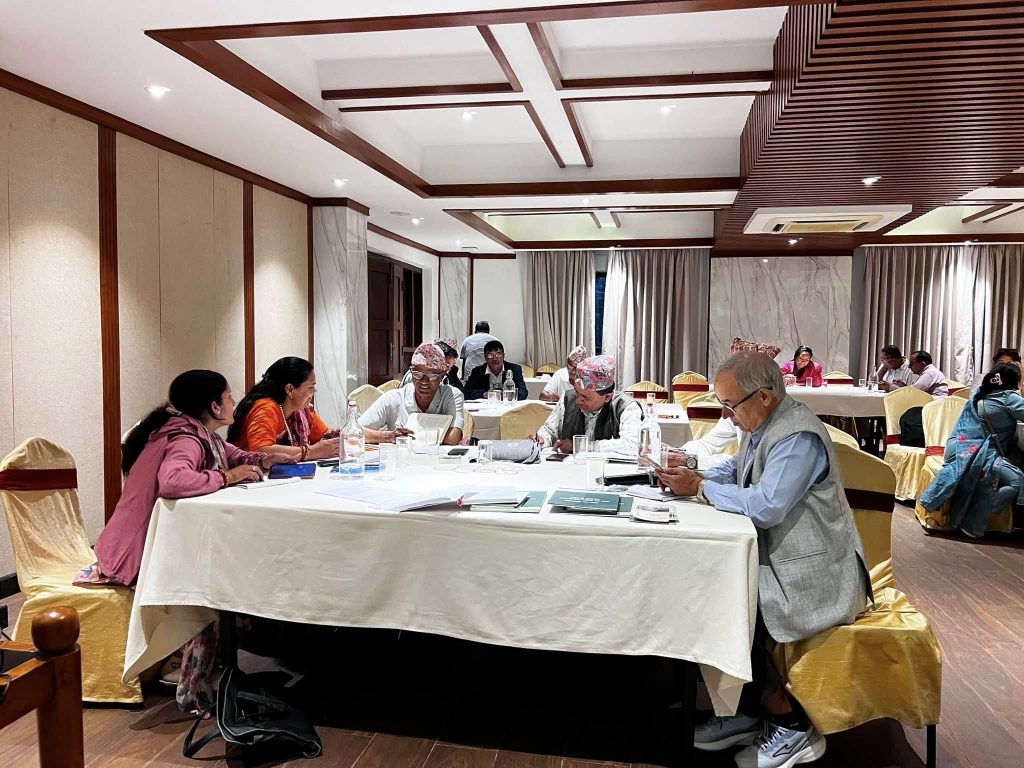
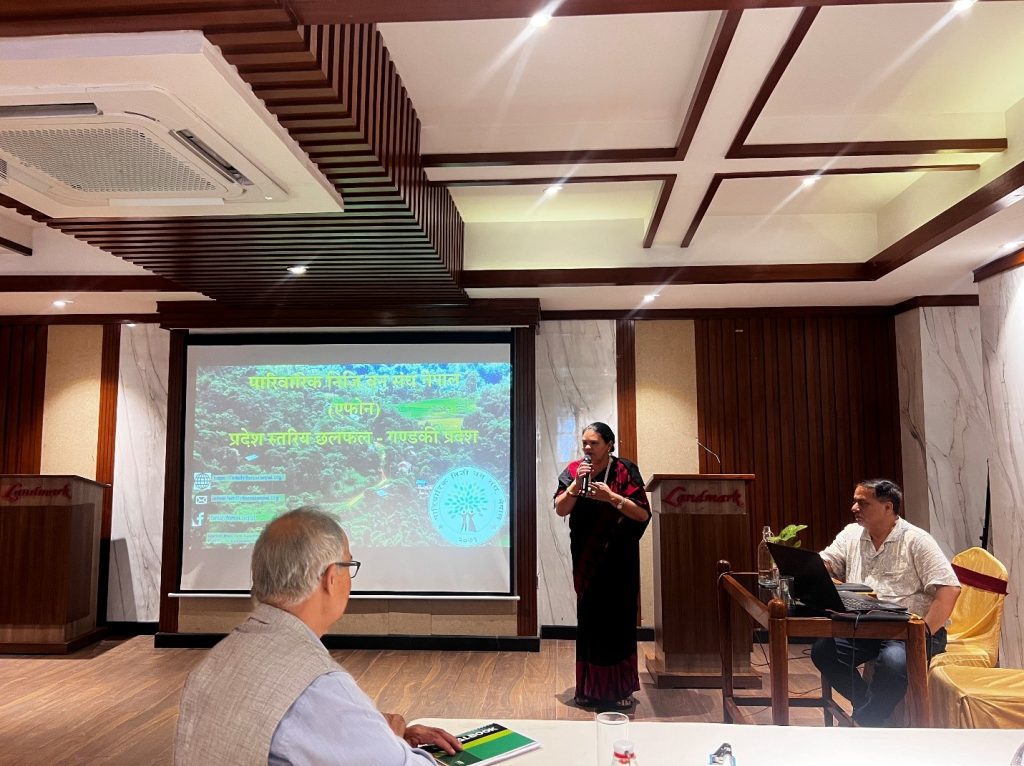
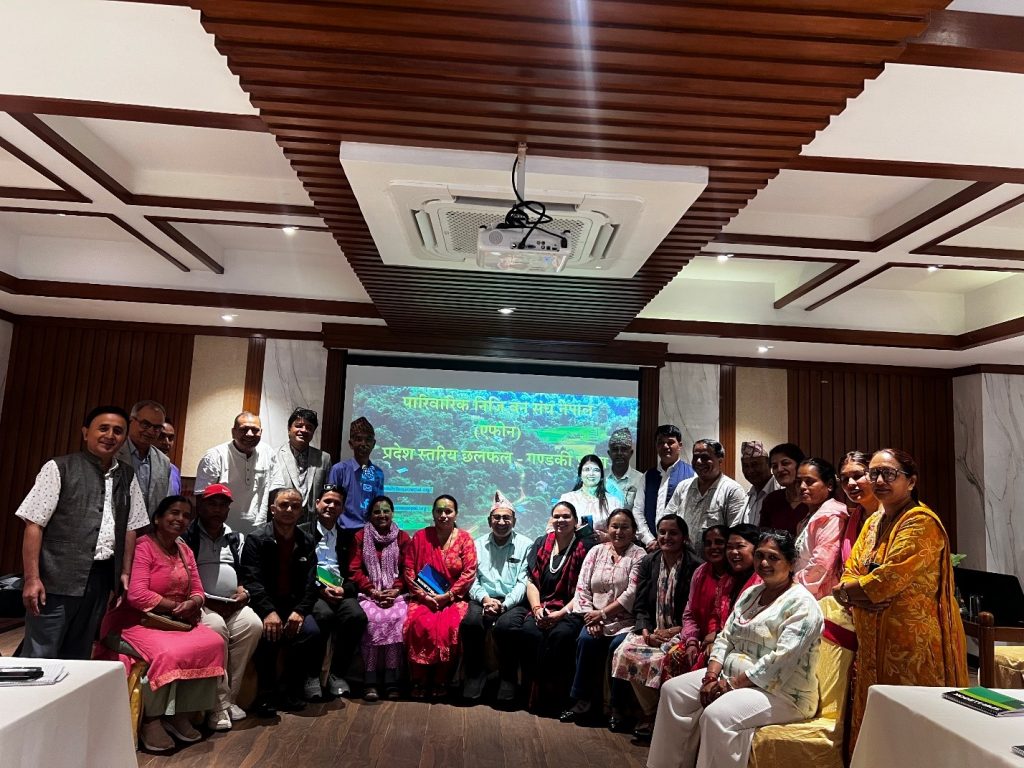
Recognizing these realities, the Association of Family Forest Owners Nepal (AFFON), with the support of the United Nations Development Program (UNDP) and the Government of Nepal, organized a Provinicial Level Discussion Program in Gandaki Province. The event brought together central, provincial, and district-level representatives of AFFON, along with development partners and stakeholders, to discuss the current state of family forestry and identify pathways for strengthening the sector. Chaired by Mrs. Santu Subedi, Chairperson of AFFON Gandaki Province, and facilitated by Mr. Durga Prasad Parajuli, Secretary of AFFON Gandaki Province, the gathering created a platform for meaningful dialogue on the opportunities and challenges facing family forest farmers across the province.
The discussion began with remarks from AFFON Central Chairperson Mr. Jograj Giri, who reflected on the organization’s journey, achievements, and future aspirations. He highlighted the persistent policy barriers faced by smallholder family forest farmers and questioned why farmers continue to struggle to harvest and sell timber grown on their own land. He encouraged participants to critically examine the legal and administrative hurdles that limit their rights and urged them to become stronger advocates for policy reform. Mr. Giri also expressed concern about the government’s commitment to promoting agroforestry, pointing out that while model agroforestry programs have been announced, there remains little clarity regarding their implementation and accessibility to local communities.
A major focus of his discussion was the carbon market and the distribution of carbon-related benefits. While Nepal receives financial resources through carbon financing mechanisms, many family forest farmers feel excluded from the direct economic benefits. Instead of receiving fair monetary compensation, farmers often receive materials or support items that may not reflect the true value of their contribution to carbon sequestration. Participants echoed these concerns and shared troubling experiences from Syangja and Tanahun districts, where intermediaries reportedly offer as little as NRs. 25 per ton of carbon. Such practices, participants argued, undermine the value of family forests and exploit smallholders to ensure greater transparency, fairness, and accountability in carbon benefit sharing arrangements.
Despite these challenges, the discussion also showcased inspiring examples of how family forestry can contribute to household livelihoods. Participants from Gorkha district shared a success story in which the sale of just two Khayar trees (Senegalia catechu) generated approximately NRs. 80,000 for a local family. The example demonstrated the economic potential of well-managed family forests and reinforced the importance of creating favorable policies and market conditions that allow farmers to benefits from their resources.
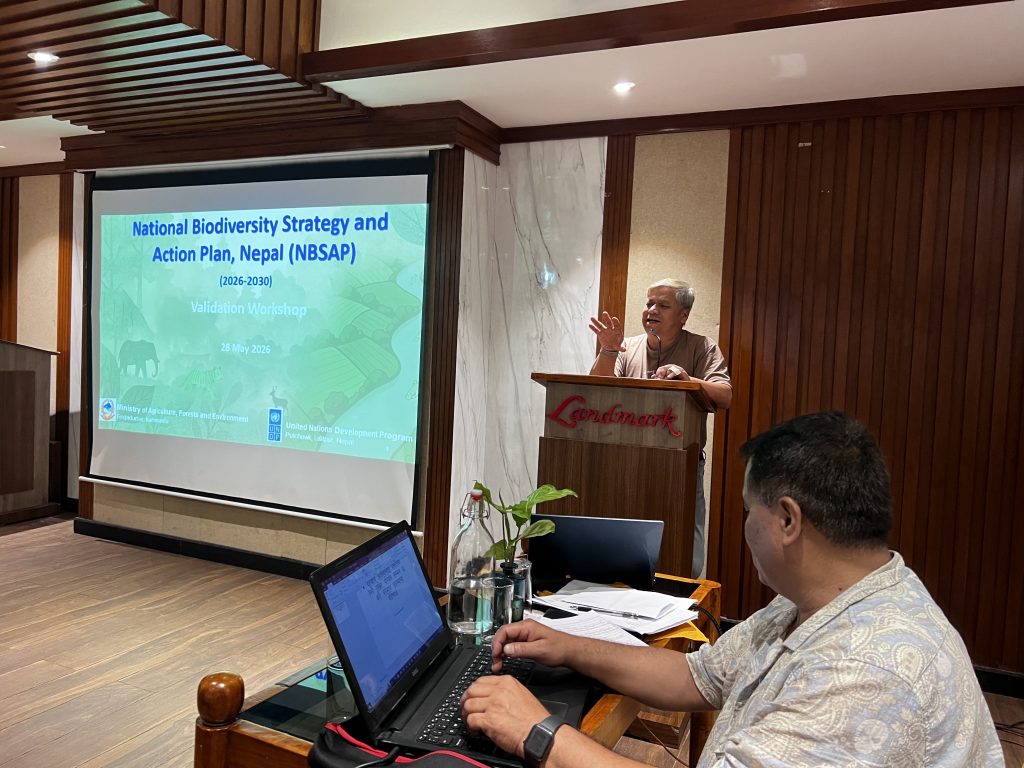
The program also featured an engaging session led by Mr. Bijendra Basnyat from UNDP, who encouraged participants to think critically about the future of forestry and forest-based enterprises in Nepal. Referring to recent discussions about increasing revenue from forest products, he challenged participants to consider how forests can contribute to national economic development while remaining ecologically sustainable. He emphasized the need for efficient timber management and questioned whether current harvesting practices are maximizing the economic value of forest resources. Drawing on examples from Illam District, he highlighted the successful management of Utis (Alnus nepalensis) plantations, where harvest rotations of seven to ten years effectively support the Veneer industry. Such examples, he noted, offer valuable lessons for Gandaki Province as it plans for future timber production and industrial supply chains.
Mr. Basnyat also addressed emerging challenges such as the growing human-monkey conflict, a topic that has become increasingly prominent in many rural communities. He argued that changes in traditional farming systems and land-use practices have inadvertently created favorable habitats for monkeys, contributing to rising conflicts between wildlife and local residents. His remarks encouraged participants to view these issues through a broader landscape-management perspective rather than as isolated problems.
The discussion further explored the economic opportunities associated with high-value timber species such as Masala (Eucalyptus globulus) and Teak (Tectona grandis). While acknowledging their potential to generate substantial returns, Mr. Basnyat cautioned against indiscriminate plantation establishment. He emphasized that species selection should be based on local environmental conditions, ecological suitability, and market demand. Importantly, he advised against converting productive agricultural land, particularly paddy fields, into timber plantations, stressing that food security and agricultural production must remain priorities. Trees, he noted, should be viewed not only as sources of income but also as components of sustainable land management systems that balance economic, environmental, and social benefits.
Another important message from his sharing was the need for better data and evidence. He challenged AFFON to strengthen its information base by documenting the number of member households, the extent of their forest resources, income generated from forestry activities, and certification status. Such information, he argued, would provide a strong foundation for advocacy, policy engagement, and investment in the family forestry sector.
The sharing from the representative of Government of Nepal Mr. Kayastha suggested the AFFON website to make it available in both English and Nepali version. Mr Muktinath Timsina, AFFON vice-chairperson highlighted the importance of association and the small holder family forest farmers in biodiversity conservation and economic development of the country. The program concluded with a strong call to action from Mrs. Santu Subedi, who reaffirmed AFFON Gandaki Province’s commitment to advocating for the rights and interests of family forest farmers. She encouraged district chapters to actively engage with local and provincial governments, submit formal recommendations to Divisional Forest Offices, and strengthen collaboration with relevant institutions. Particular emphasis was placed on advocating for the effective implementation of government supported agroforestry initiatives, including programs planned for the Kaligandaki Corridor. She also urged members to maintain regular dialogue with policymakers and stakeholders, emphasizing that meaningful change requires persistent engagement and collective action.
The discussions held during the Provincial Level Discussion Program highlighted both the enormous potential and the persistent challenges of family forestry in Nepal. Family forest farmers play a critical role in environmental conservation, climate change mitigation, and rural economic development. However, unlocking the full value of family forestry will require policy reforms, fair market access, transparent carbon benefit-sharing mechanisms, and stronger institutional support. As AFFON and its member continue their advocacy efforts, the event served as a reminder that empowering family forest farmers is not only essential for improving rural livelihoods but also for building a more sustainable and resilient future for Nepal’s forestry sector.